













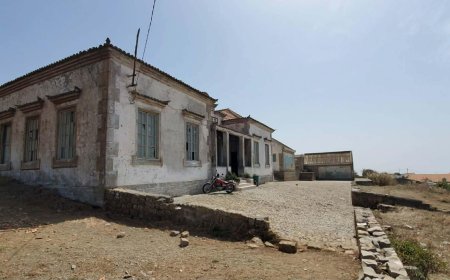












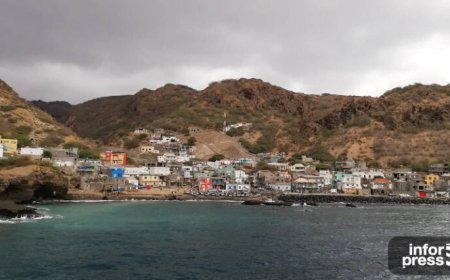

Abandoned, dilapidated, and old houses in Brava, and a lack of courage to enforce the law
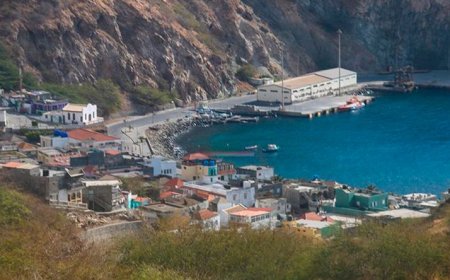
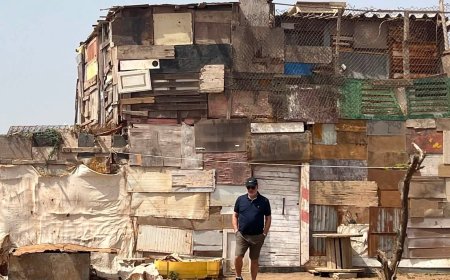
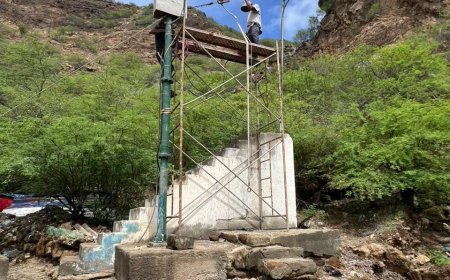
Nova Sintra, July 6, 2026 (Bravanews) - The island of Brava, known for its tranquil charm and natural beauty, faces a silent but dangerous urban challenge—the spread of old, abandoned houses in an advanced state of disrepair. Walking through certain streets and neighborhoods on the island often means coming across unstable walls and ceilings on the verge of collapsing. Faced with the impasse of owners neglecting their properties, Cape Verde’s legal framework provides clear legal avenues. What is lacking, in fact, is the political and administrative will to enforce the law.
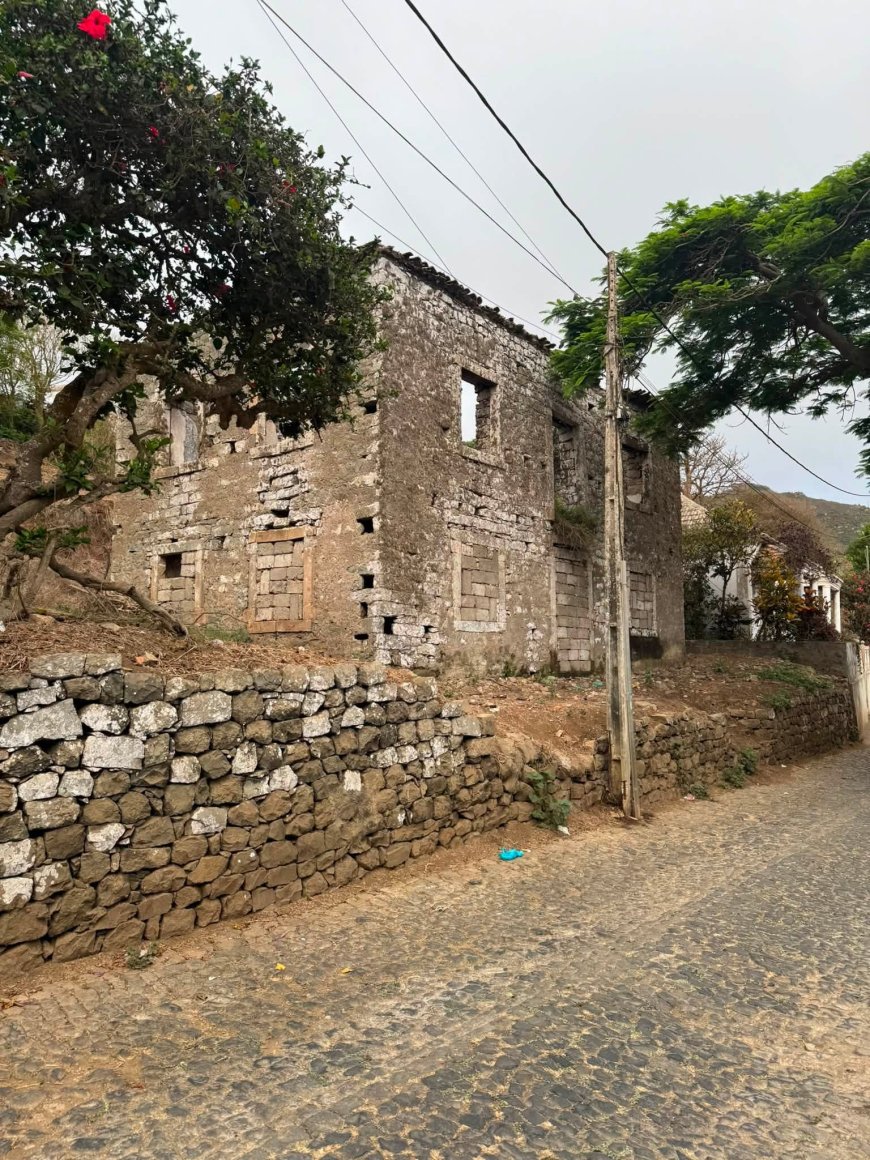
In legal and urban planning jargon, these structures are classified as "derelict properties" or "vacant and dangerous buildings." Contrary to common belief, the government cannot simply confiscate private property immediately, but the law provides authorities with strict measures to compel owners to take action.
According to Cape Verde’s legal framework, specifically the Legal Regime for Urbanization and Construction (RJUE) and the Civil Code, the primary obligation to maintain a property rests with the owner. Keeping a building safe is not a choice; it is a legal duty. If a dilapidated dwelling collapses and causes property damage to third parties or injuries to passersby, the owner is civilly liable for paying compensation, and in serious cases of negligence resulting in loss of life, the owner may face criminal charges.
When the owner fails to act, the City Council steps in. The municipality has the authority—and the duty—to inspect and formally notify the owner, setting a strict deadline for the owner to repair, demolish, or, at the very least, securely fence off the property to protect the public right-of-way.
If the City’s notice is ignored, Cape Verdean law provides three avenues for administrative intervention. The first is enforcement and the imposition of fines, which is the most direct route. In the event of failure to meet the deadline, the City Council has the authority to proceed with enforcement, undertaking the urgent work—whether shoring, partial, or total demolition—and subsequently charging all expenses to the owner, in addition to the respective administrative fines.
The second option is expropriation for public use, a measure of last resort that applies when the dilapidated property hinders the implementation of urban plans, the opening of roads, the construction of public infrastructure, or urban renewal projects in the locality itself. The State or the Municipality takes definitive possession of the land upon payment of compensation. However, in the case of dilapidated buildings, the amount of this compensation is often close to zero, since appraisers deduct the high costs the municipality will incur for demolition and site cleanup.
The third option is based on administrative requisition. Invoked in emergency situations and cases of imminent risk to the safety of people and property, administrative requisition allows the National Civil Protection Service or the local government itself to take temporary and immediate possession of the property. The top priority becomes eliminating the danger, usually through rapid demolition, leaving financial settlements and disputes with the owner for a later time.
The strict application of the law often clashes with the social and economic reality of many families in Brava. A lack of financial resources does not exempt anyone from their legal obligations, but it forces the public administration to deal with complex cases. When the owner lacks the financial means to cover the costs, the City Council carries out the mandatory work, and the expense is recorded as a debt owed to the municipality. This debt is tied to the property and the owner’s name, which may result in the seizure of other assets or the land itself in the future.
Another common scenario on the island involves houses belonging to emigrants who have lost their ties to the land, or properties that are part of undivided estates whose heirs are scattered around the world. In these cases of prolonged abandonment and unknown whereabouts, the legal framework provides mechanisms whereby, after the expiration of extended legal deadlines and the completion of abandonment proceedings, the property may revert to the State or the Municipality through mechanisms similar to acquisitive prescription. As a counterbalance and preventive measure, some municipalities offer local urban rehabilitation programs and support for dilapidated housing, specifically aimed at helping the elderly or families in situations of extreme vulnerability to restore facades and roofs, although the financial capacity of these programs varies drastically from island to island.
Anyone living next to an unstable structure does not have to live in fear. Citizens who feel threatened by the condition of a neighboring building should file a formal complaint with the City Council’s Urban Planning and Inspection Department. Submitting photographic evidence and a detailed description of the risks—such as falling plaster, structural cracks, or severe water infiltration—triggers a mandatory technical inspection by municipal engineers. Safeguarding the safety of local communities requires prompt enforcement by the authorities and active civic engagement on the part of residents.
MS